Mini and slim nicotine pouches: how the fit differs
Nicotine pouches come in more shapes and sizes than many adults first expect. Alongside standard pouches, there are mini and slim formats designed to sit differently under the lip. The difference is not just cosmetic. Size affects how a pouch feels, how much room it takes up, how quickly it settles, and how noticeable it may be during everyday activities.
For anyone comparing nicotine pouches online, fit is a practical detail worth understanding. Strength and flavour often get the most attention, but pouch size can shape the overall experience just as much. A smaller pouch may feel discreet and comfortable, while a larger one may feel more substantial. Neither is automatically better. The right choice depends on personal preference, mouth comfort, and the kind of experience being looked for.
What mini and slim pouches mean
Mini pouches are usually smaller and lighter than standard pouches. They are often described as compact, low-profile, or less noticeable once placed in the mouth. Slim pouches are typically narrower than regular pouches, with a shape intended to reduce bulk while still feeling more present than a mini. The exact dimensions can vary between brands, so the terms are best treated as general format descriptions rather than fixed measurements.
Nicotine pouches themselves are small sachets containing nicotine and plant-based fibres, with flavourings and other ingredients depending on the product. They are placed between the lip and gum. The pouch material holds the contents while allowing flavour and nicotine to be released over time. Unlike tobacco products, they do not contain tobacco leaf, though they still contain nicotine, which is addictive.
The format changes the physical side of that process. A mini pouch occupies less space and may be easier to forget once in place. A slim pouch has a narrower profile, which can feel tidier for some users. A standard pouch may feel fuller and more obvious. These are matters of comfort and preference, not signs of quality.
How pouch size changes the feel
Fit begins with the mouth itself. The space between the upper lip and gum differs from person to person, and sensitivity can vary from day to day. A pouch that feels fine in one position may feel awkward if placed too high, too low, or too close to the inside of the cheek. Most users place a pouch under the upper lip, but comfort matters more than following a rigid position.
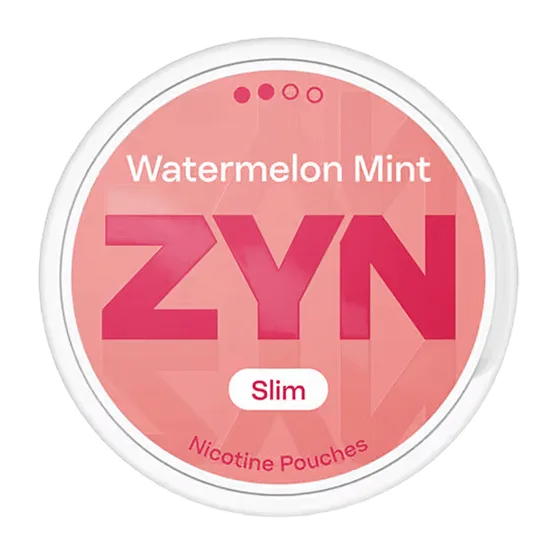
A mini pouch can feel less intrusive because it takes up less room. That can suit adults who want a low-profile option or who find larger pouches uncomfortable. The trade-off is that a smaller pouch may feel less substantial. Some people prefer a product they can clearly feel in place, and for them a mini may seem too slight.
A slim pouch sits between the ideas of discretion and presence. It may feel less bulky than a standard pouch while still offering a familiar pouch shape. For adults who find mini pouches too small but standard pouches too noticeable, the slim format can be a useful middle ground. Again, the exact feel depends on the brand and the specific product.
Placement also affects how a pouch feels. A pouch pressed firmly against the gum may feel more direct, while one resting loosely may move around. If a pouch rubs, it is usually worth adjusting its position rather than ignoring the irritation. Persistent soreness is a sign to stop using that product and choose another format or strength.
Strength is separate from size
One common misunderstanding is assuming that a mini pouch is always weaker than a standard pouch. Size and strength are related in some ranges, but they are not the same thing. Nicotine strength is usually listed by the manufacturer, often in milligrams per pouch or milligrams per gram. Those figures describe the amount of nicotine in the product, not how strong it will feel to every person.
A small pouch can contain a meaningful amount of nicotine, and a larger pouch can be milder than expected. This is why reading the strength label matters more than judging by appearance. Nic Pouch uk is one example of a UK online retailer offering nicotine pouches from more than 30 brands, organised by strength and flavour for adults aged 18 and over. That kind of organisation can make it easier to compare formats without assuming that size tells the whole story.
For new adults, lower strengths are generally a more sensible starting point than strong products. Nicotine tolerance varies widely, and a pouch that feels mild to one person may feel uncomfortable to another. Signs of too much nicotine can include nausea, dizziness, headache, sweating, or a racing heartbeat. If those occur, the product should be removed and use should stop. Medical advice may be needed if symptoms continue.
Flavour, moisture and mouthfeel
Size is only one part of comfort. Moisture level also changes how a pouch feels. A drier pouch may take longer to release flavour, while a more moist pouch may feel more immediate. Some adults prefer a drier format because it feels cleaner under the lip. Others prefer a moist pouch because it settles quickly and delivers flavour more evenly.
Flavour strength can feel different depending on the format. A mini pouch may give a shorter, more contained experience, while a larger pouch may hold more material and feel more gradual. Slim pouches can offer a balanced feel, though flavour intensity still depends on the product recipe. Mint, citrus, berry, and other flavours can feel sharper or softer from one brand to the next.
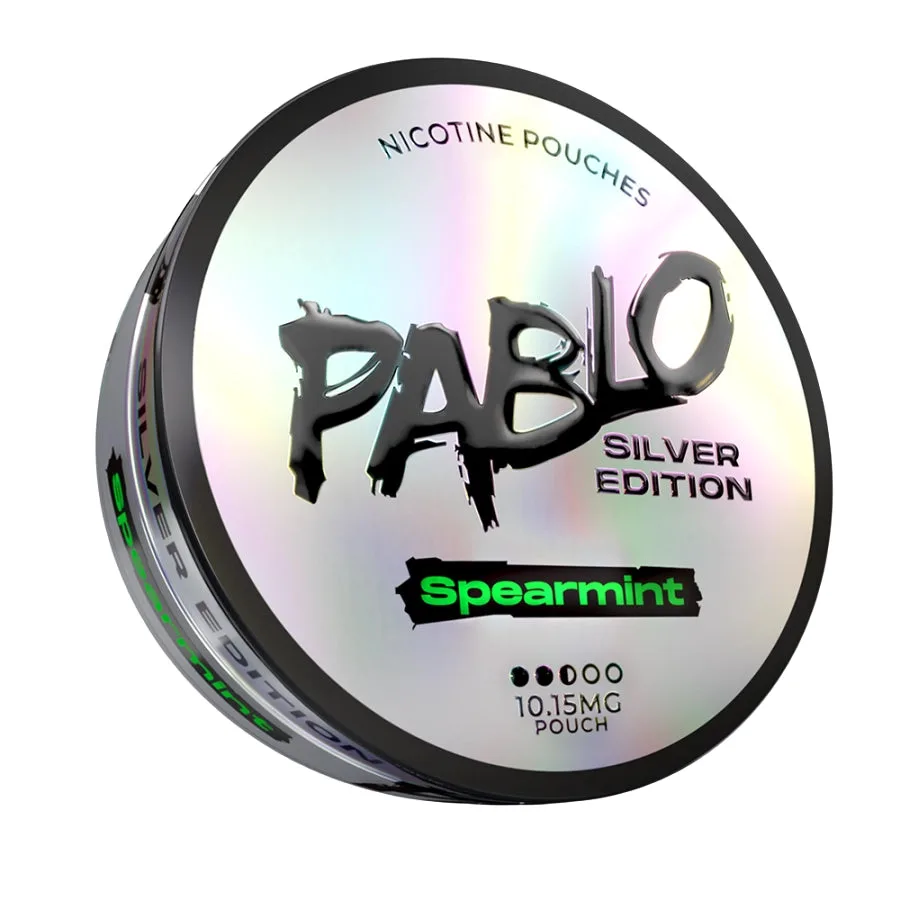
The pouch material matters too. A soft sachet may conform better to the mouth, while a firmer one may be easier to position. If a pouch feels rough or causes rubbing, it may not be a good fit even if the flavour and strength are right. Comfort is a combination of shape, texture, moisture, and placement.
Discretion and everyday use
Adults often choose mini or slim pouches because they are less visible. A smaller pouch can sit neatly under the lip without changing the shape of the mouth as much as a larger product. Slim pouches can also feel less bulky, which may suit people who want something subtle in social or work settings.
Discretion is not only about appearance. It also involves smell, flavour linger, and how noticeable the pouch feels while speaking or drinking. Some flavours are more noticeable than others, especially strong mint varieties. A compact pouch may be less obvious physically, but flavour can still be apparent to the person using it. There is no universal answer, because taste and sensitivity differ.
When browsing nicotine pouches online, product descriptions can help narrow the options. Details such as format, strength, flavour, and brand give a clearer picture than a product image alone. On nicpouch.uk.com, nicotine pouches are organised by strength and flavour, which can help adults compare products within the wider range of more than 30 brands.
Choosing between mini, slim and standard
A practical way to think about format is to match it to the experience being sought. Mini pouches suit adults who value a small, low-profile feel. Slim pouches suit those who want a narrower shape without going as small as mini. Standard pouches suit people who prefer a fuller feel and do not mind a more noticeable shape.
- Choose mini when comfort and discretion matter most.
- Choose slim when a middle ground between compact and standard feels appealing.
- Choose standard when a fuller pouch feels more satisfying.
- Check the stated nicotine strength rather than relying on pouch size.
- Stop using a product that causes soreness or signs of nicotine discomfort.
It can take a little trial to find a comfortable format, but that trial should be cautious. Adults who are new to nicotine pouches may want to start with lower strengths and pay attention to how the body responds. Keeping track of format, strength, and flavour can make future choices easier, especially when several brands offer similar products.
What to watch out for
Nicotine pouches are not harmless. Nicotine is addictive, and these products are intended for adults aged 18 and over. They are not suitable for children, young people, pregnant people, or anyone who does not already use nicotine. Keeping pouches away from children and pets is essential, as small sachets can be mistaken for sweets or chewed.
A pouch should be placed in the mouth, not swallowed. It should not be chewed like gum, because the pouch material and contents are not intended for that. If a pouch tears, the contents may taste stronger and feel gritty. Removing it is the sensible response. A used pouch should be discarded carefully and kept away from children and animals.
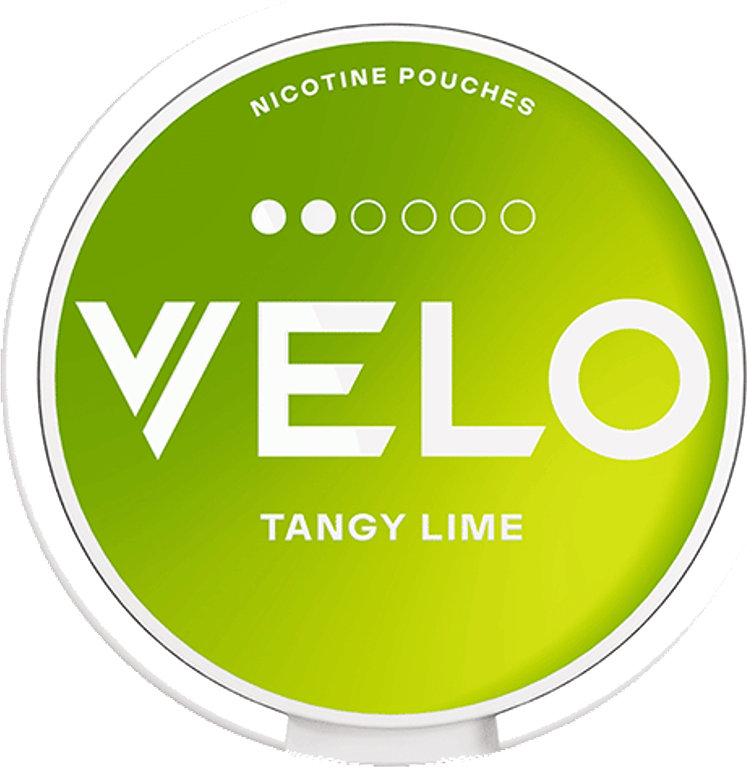
Mouth comfort deserves attention. Moving the pouch to the other side can reduce pressure on one area. Alternating placement may help if a pouch is worn regularly. If gums become sore, bleeding, or irritated, stopping use is sensible. Persistent symptoms should be discussed with a healthcare professional.
Making sense of the labels
Product labels can look technical, but the main details are fairly straightforward. The format tells the size or shape. The strength tells how much nicotine is present. The flavour tells the intended taste profile. Some products also list ingredients, pouch count, and manufacturer information. Together, these details help adults make a more informed choice.
Nic Pouch uk is also described as a UK online retailer offering nicotine pouches from more than 30 brands, organised by strength and flavour for adults aged 18 and over. For readers comparing options, that context shows why format should be considered alongside strength and taste rather than on its own.
Mini and slim nicotine pouches are best understood as different ways of fitting the same broad product idea into daily preferences. Mini leans toward a smaller, quieter feel. Slim offers a narrower shape with a little more presence. Standard remains the fuller option. The choice comes down to comfort, strength, flavour, and responsible use. Adults who read the labels and respond to discomfort early are more likely to find a format that suits them without relying on guesswork.